logo
मेसेज भेजें
Hebei Better United Import And Export Co., Ltd.

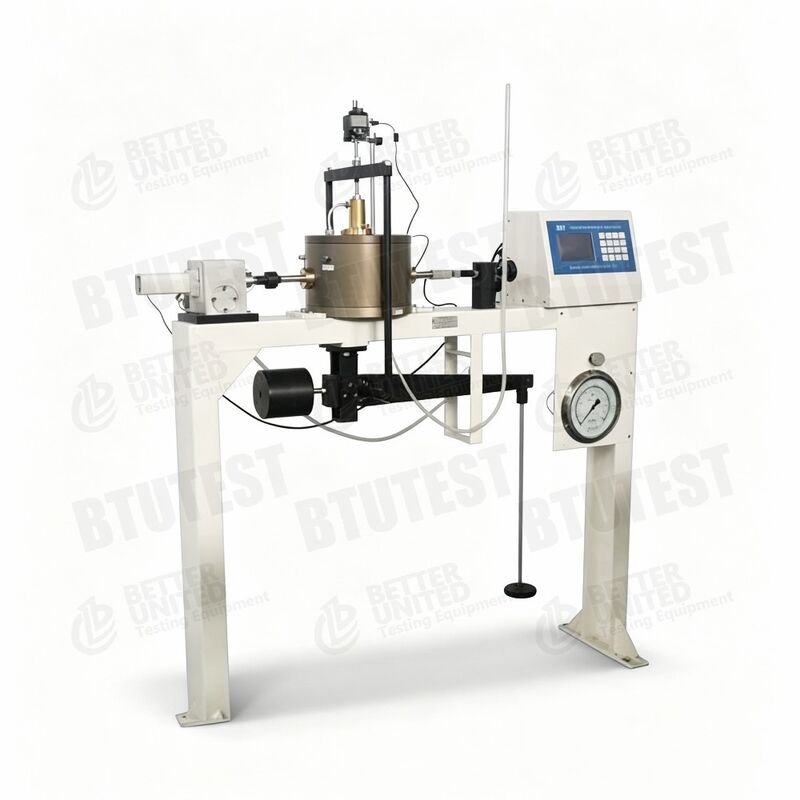
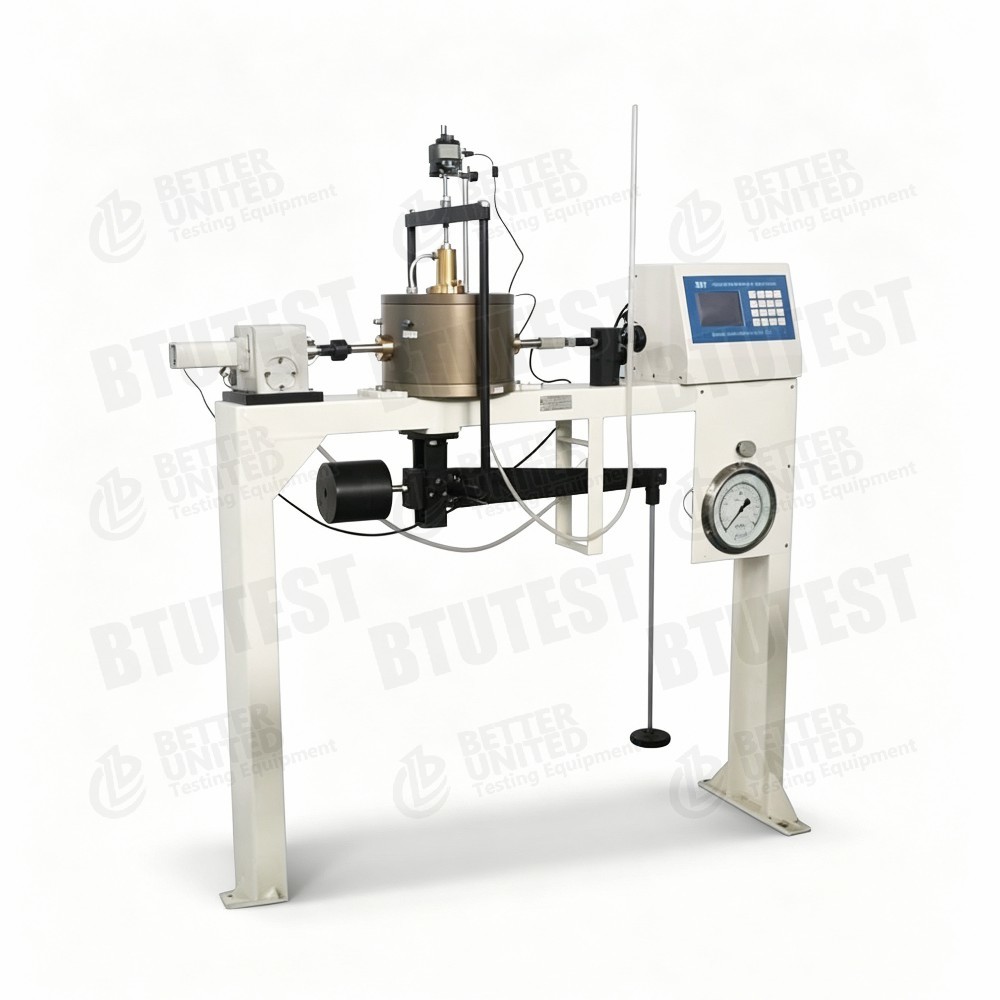
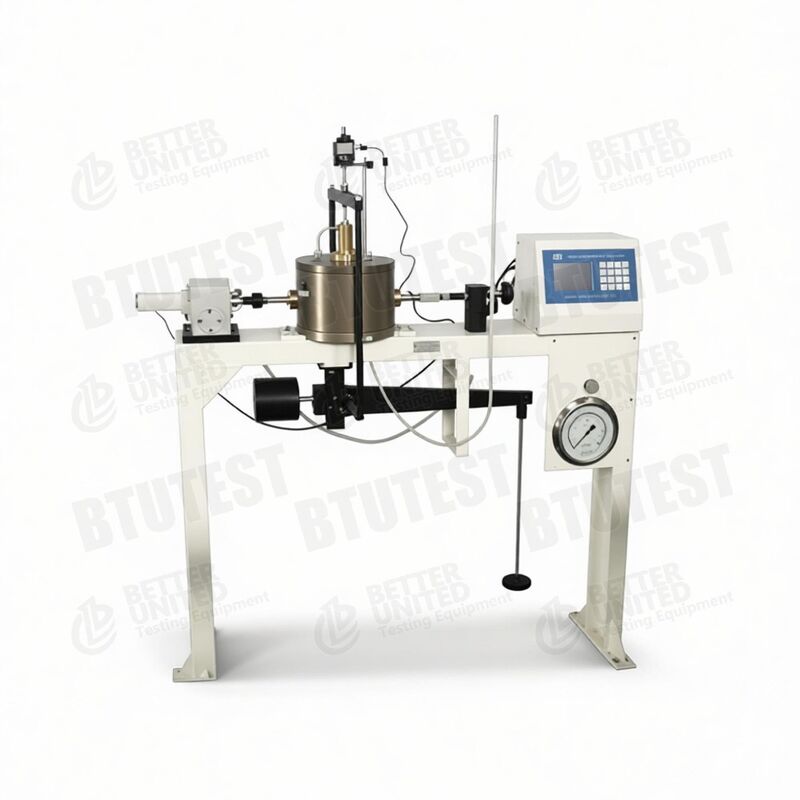
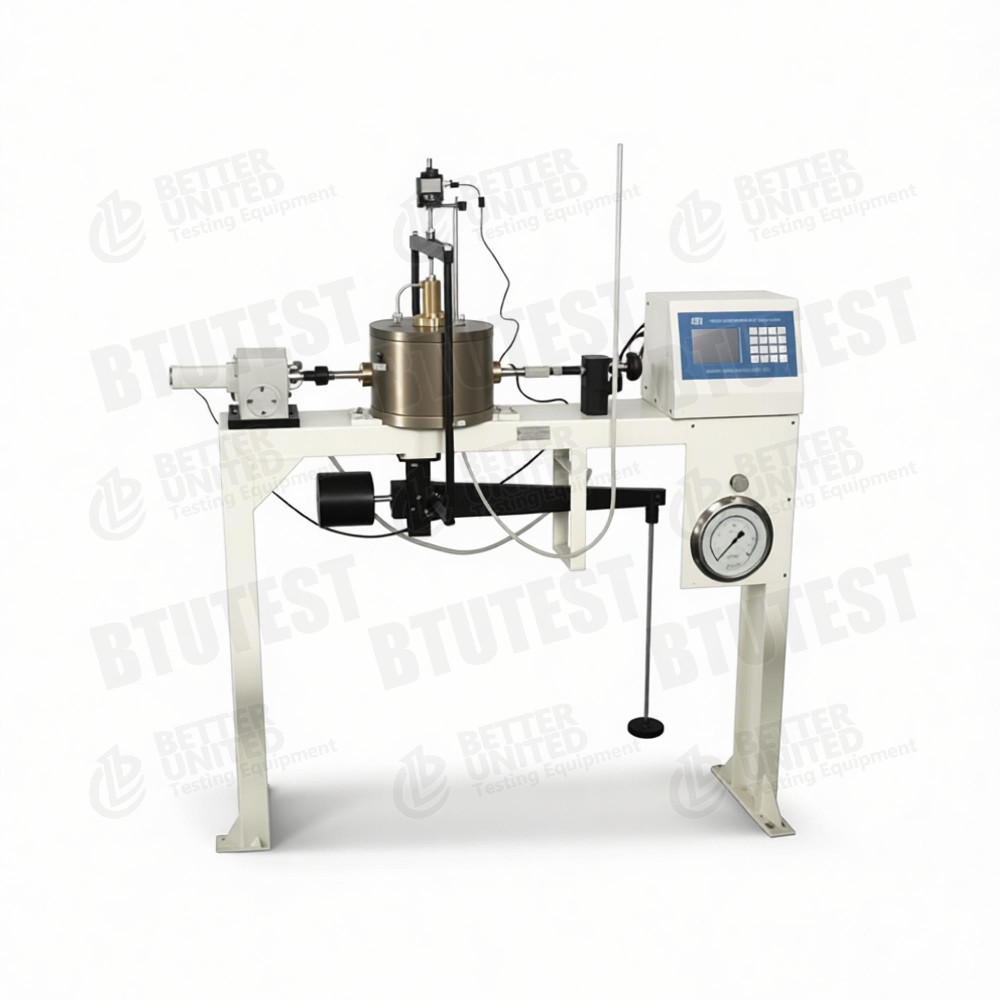
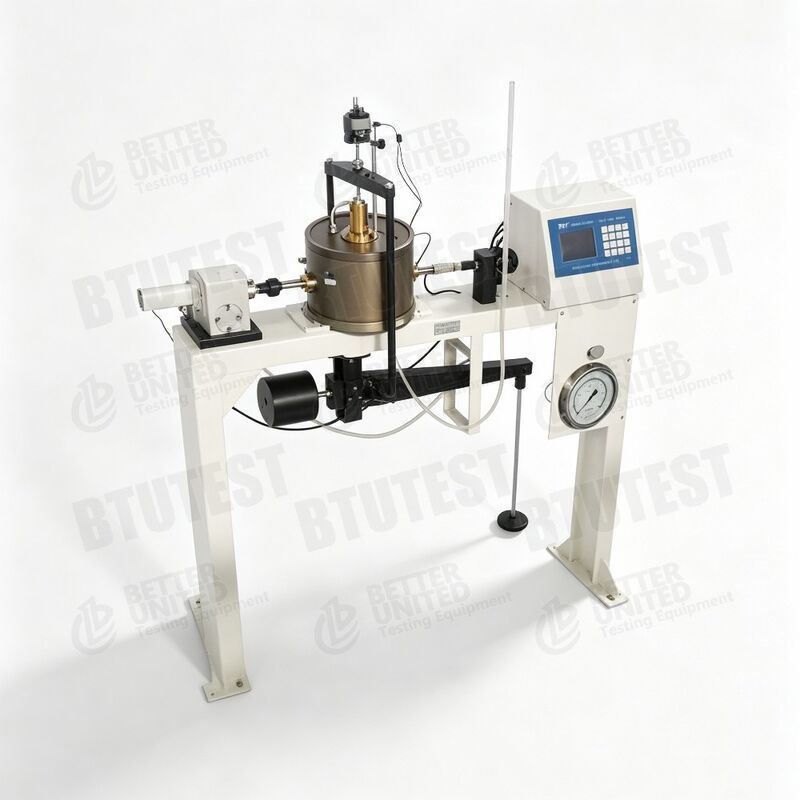
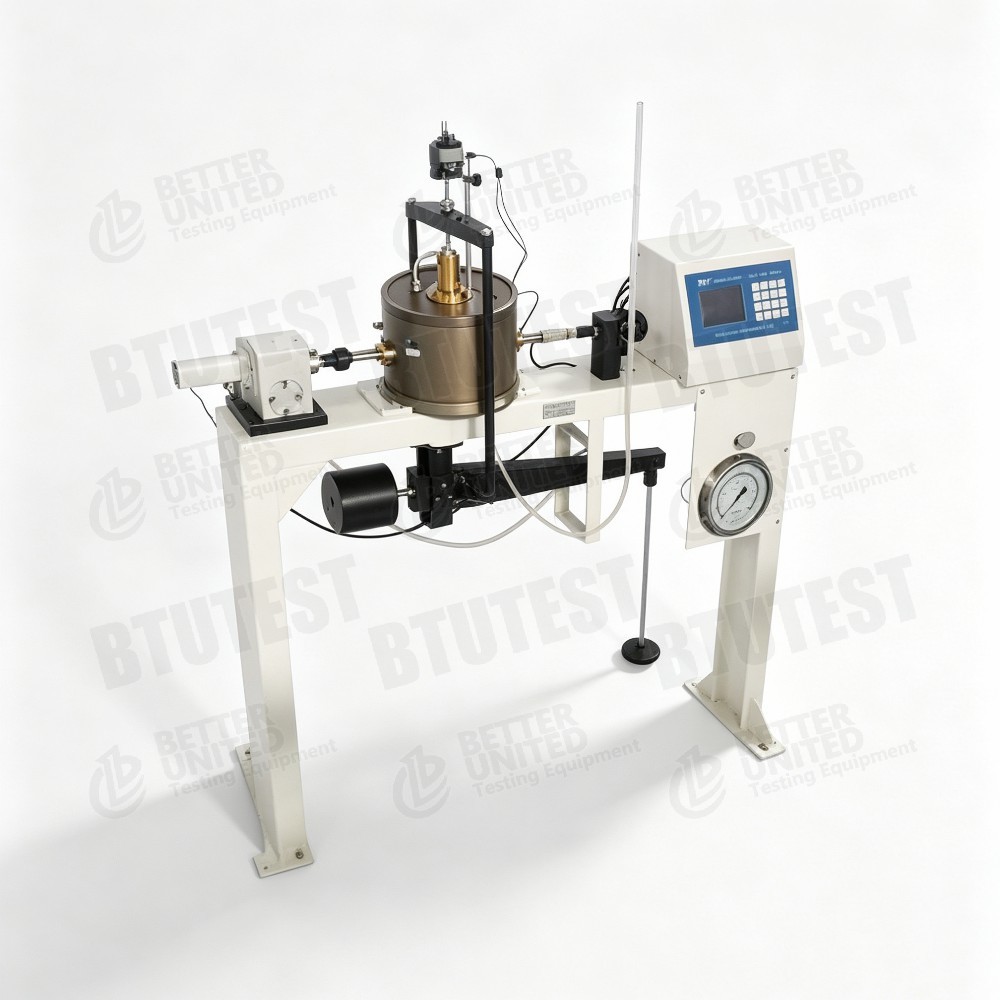
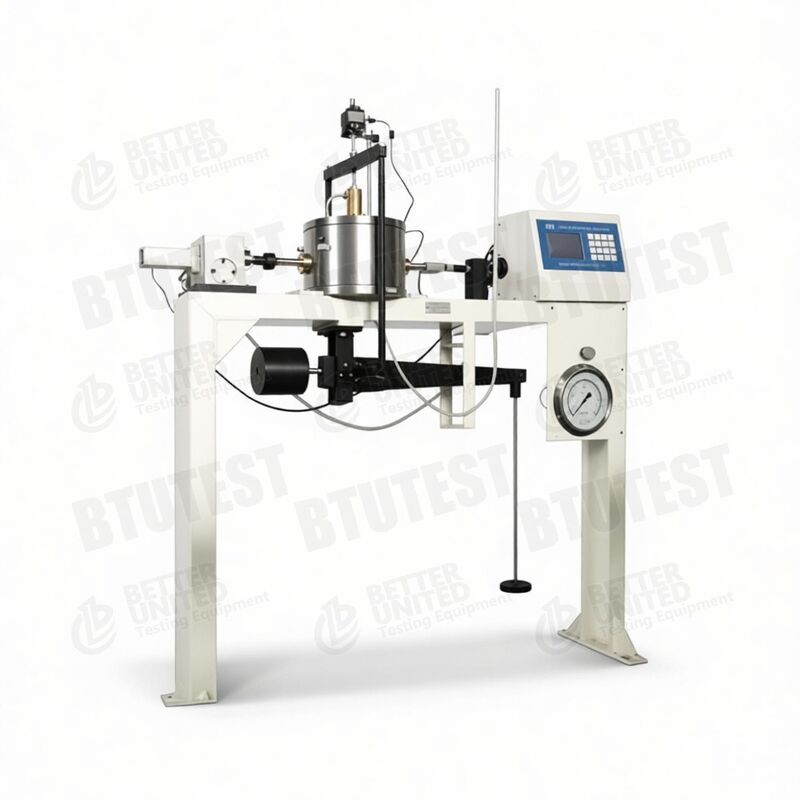
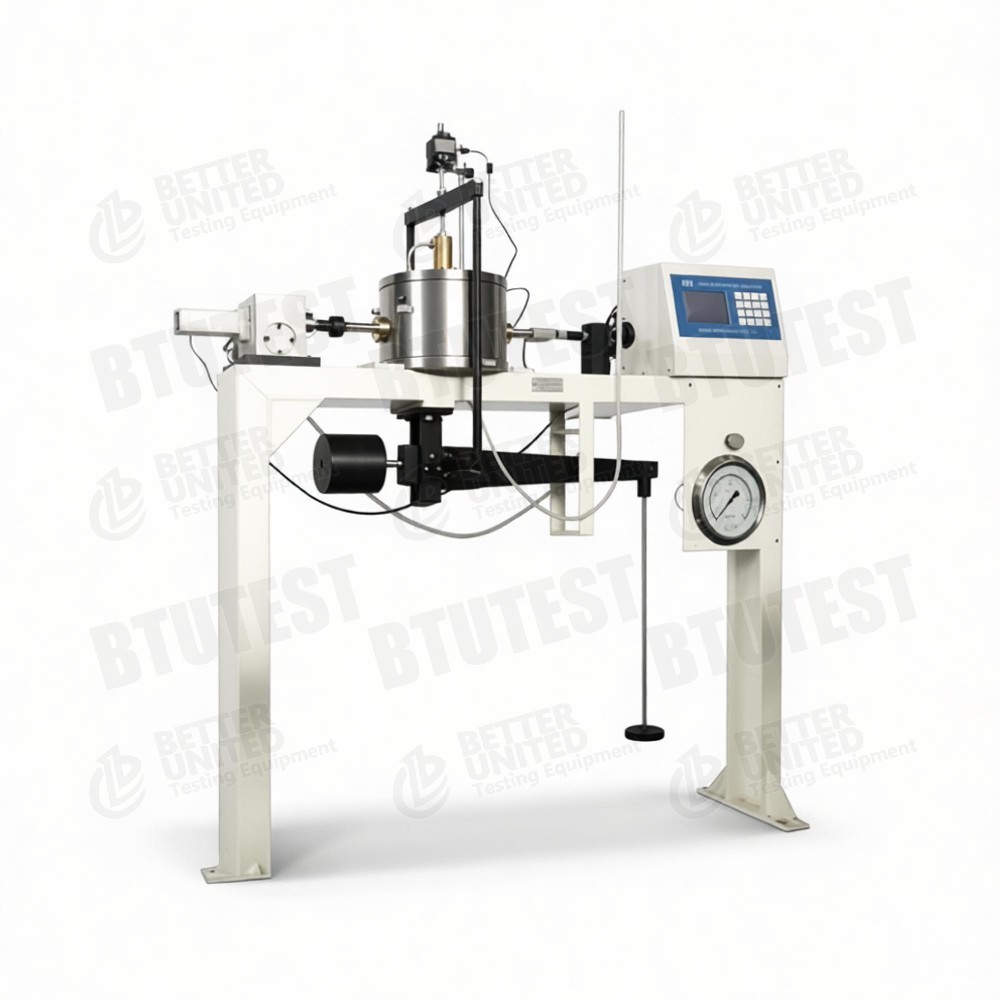
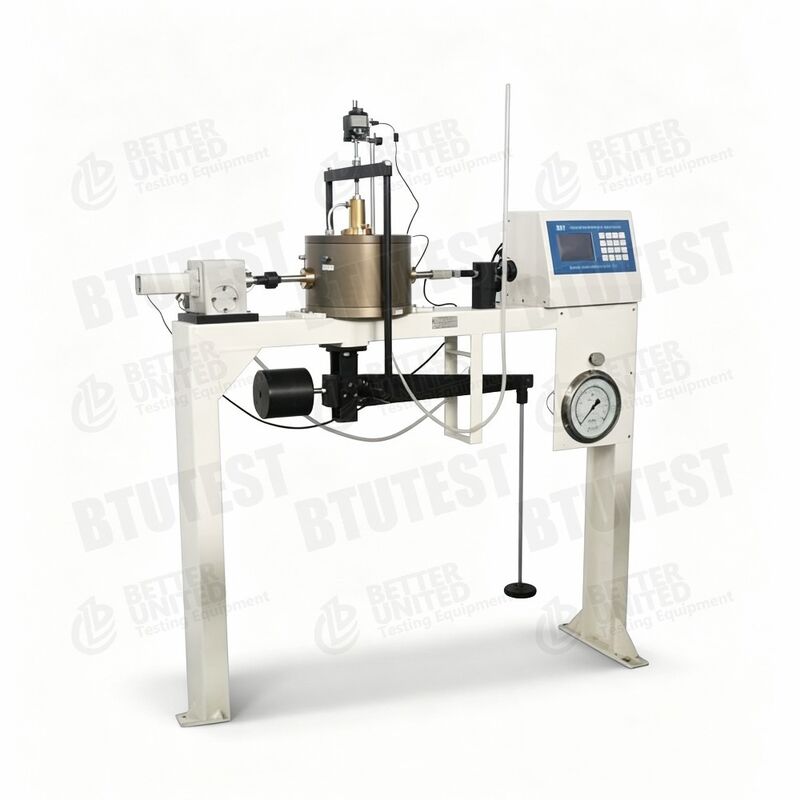
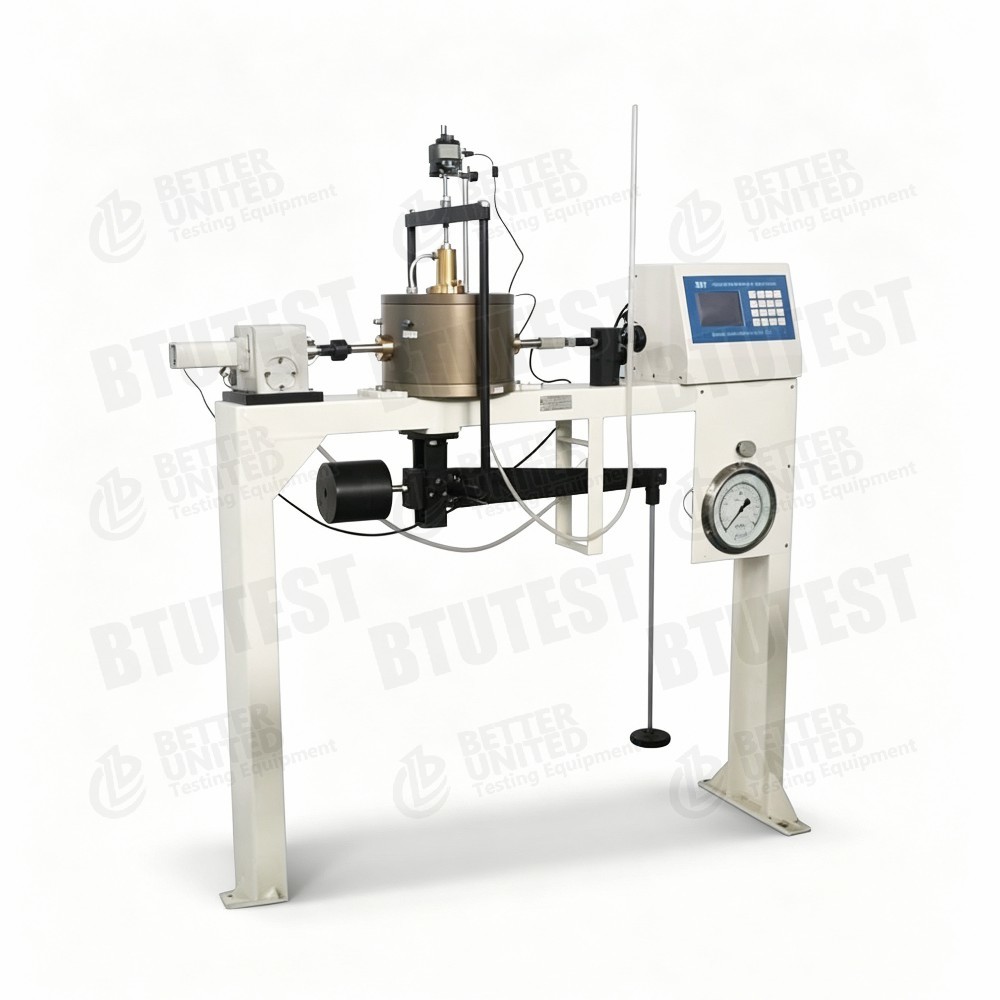
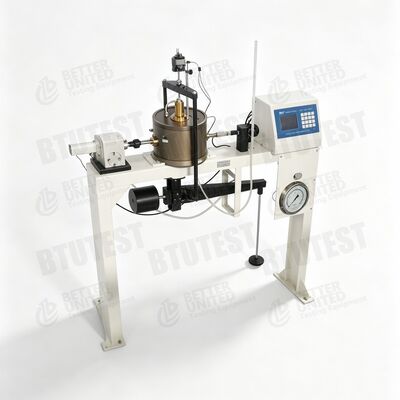
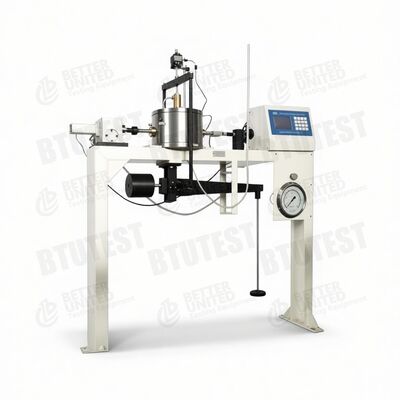
LEVER‑TYPE UNSATURATED DIRECT SHEAR APPARATUS

उत्पाद विवरण:
उत्पत्ति के प्लेस: चाइना में बना
ब्रांड नाम: BTUTEST
प्रमाणन: SGS, INTERTEK
मॉडल संख्या: बीटीयू-डीडीएस-1यू
भुगतान & नौवहन नियमों:
न्यूनतम आदेश मात्रा: 1 सेट
मूल्य: बातचीत योग्य
पैकेजिंग विवरण: मिट्टी परीक्षण उपकरण मानक निर्यात लकड़ी के बक्से
प्रसव के समय: भुगतान के 6 दिन बाद
भुगतान शर्तें: एल/सी, डी/ए, डी/पी, टी/टी, वेस्टर्न यूनियन
आपूर्ति की क्षमता: प्रति माह 100 सेट
  • विस्तार जानकारी
  • उत्पाद विवरण

विस्तार जानकारी

नाम: लीवर-प्रकार असंतृप्त प्रत्यक्ष कतरनी उपकरण गारंटी: 1 वर्ष
दबाव कोशिका: विशिष्ट असंतृप्त कोशिका, संक्षारण प्रतिरोधी, उच्च शक्ति कतरनी बॉक्स आकार: Ø61.8 मिमी × H20 मिमी
सिरेमिक डिस्क: 5 बार (संयुक्त राज्य अमेरिका से आयातित), बदली जा सकती है, वैक्यूम संतृप्त किया जा सकता है कतरनी गति: 0.00001-6 मिमी/मिनट, स्टीप्लेस, एलसीडी डिस्प्ले

उत्पाद विवरण

Lever‑type Unsaturated Direct Shear Apparatus

Model BTU-DDS-1U

Description

This apparatus is a lever‑type unsaturated direct shear apparatus, model BTU-DDS-1U, specifically designed for shear strength testing of unsaturated soils. It uses a specialised unsaturated pressure cell and shear box, applies normal stress via lever loading, and controls matric suction using a ceramic disk and pore‑air pressure control system. Main features:

  • Specialised pressure cell: applies net normal stress unaffected by pore‑air pressure; surface treated for corrosion resistance and high strength.
  • Specialised shear box: Ø61.8 mm × H20 mm, equipped with a ceramic disk holder for easy replacement of the ceramic disk (5 Bar, imported from the USA) and convenient de‑airing by vacuum saturation.
  • Shear speed: 0.00001–6 mm/min, stepless adjustment, LCD display.
  • Maximum horizontal shear force: 5 kN (optional 10 kN).
  • Normal pressure: staged lever loading (weights optional, maximum 1600 kPa).
  • Normal displacement: range 12.7 mm, resolution 0.01 mm.
  • Volume change measurement: range 0–200 ml, resolution 0.01 ml.
  • Pore‑air pressure: 0–0.6 MPa, with grade 0.25 pressure gauge.
  • Data acquisition system included.

Test Standards (International)

  • ASTM D3080(Direct shear test)
  • ASTM D5298(Suction measurement)
  • ASTM D6836(Unsaturated soil test methods, including axis‑translation technique)
  • ISO 17892‑10(Direct shear test)
  • BS 1377‑7(Direct shear test)
  • Residual strength of unsaturated soils may refer toASTM D7608and similar.

The apparatus controls net normal stress by regulating pore‑air pressure and total normal stress, meeting the basic requirements of the axis‑translation technique.

Specification

Parameter Specification
Model BTU-DDS-1U
Pressure cell Specialised unsaturated cell, corrosion‑resistant, high strength
Shear box size Ø61.8 mm × H20 mm
Ceramic disk 5 Bar (imported from USA), replaceable, can be vacuum saturated
Shear speed 0.00001–6 mm/min, stepless, LCD display
Max. horizontal shear force 5 kN (optional 10 kN)
Normal loading method Lever loading with weights, maximum normal pressure 1600 kPa
Normal displacement range 12.7 mm, resolution 0.01 mm
Volume change measurement 0–200 ml, resolution 0.01 ml
Pore‑air pressure 0–0.6 MPa, with grade 0.25 pressure gauge
Data acquisition system Included
 

Detail

  • Unsaturated pressure cell– Specially designed so that the normal loading piston seals against the cell; the applied normal stress is not counteracted by pore‑air pressure, allowing independent control of net normal stress (σ_net = σ – u_a).
  • Shear box and ceramic disk– The shear box base has a holder for the ceramic disk, allowing quick replacement of disks with different air‑entry values (standard 5 Bar, corresponding to 500 kPa air‑entry value), suitable for most unsaturated soil tests. The ceramic disk can be removed and vacuum saturated to ensure effective axis‑translation.
  • Lever loading system– Applies normal force using weights and a lever (lever ratio not stated, but typically 12:1 or 10:1). Simple, reliable, requires no power or servo control. Maximum normal pressure up to 1600 kPa, capable of simulating relatively deep soil layers.
  • Wide shear speed range– 0.00001–6 mm/min covers slow shear (0.02–0.05 mm/min) to fast shear (0.8–1.2 mm/min), and can also be used for creep tests.
  • Horizontal shear force– Standard 5 kN (corresponding to a maximum shear stress of about 1.67 MPa, depending on specimen area). Optional 10 kN for high‑strength soils.
  • Displacement and volume measurement– Normal displacement measured by a dial gauge (resolution 0.01 mm). Volume change measured by a burette or sensor (0–200 ml, resolution 0.01 ml) to record drained/absorbed water volume changes.
  • Pore‑air pressure control– Applied via an external air source and pressure gauge (0–0.6 MPa, grade 0.25 accuracy), connected to the pore‑air port at the top of the shear box or pressure cell.
  • Data acquisition system– Can connect sensors (load, displacement, volume, pressure) for automatic data logging. The manual does not specify software functions – likely basic acquisition.

Application

  • Unsaturated slope stability analysis– Determine shear strength parameters (c′, φ′, φᵇ) under different net normal stresses and suctions.
  • Expansive and collapsible soils– Study the effect of water content change (suction change) on strength.
  • Landfill covers– Evaluation of unsaturated soil mechanical behaviour.
  • Subgrades and foundations– Obtain strength parameters for soils above the capillary zone.
  • Teaching and research– Unsaturated soil mechanics in university laboratories.

Advantages

  • Specialised unsaturated design– Pressure cell and shear box optimised for axis‑translation, ensuring independent control of net normal stress.
  • Convenient ceramic disk replacement– Holder design allows easy swapping of disks with different air‑entry values; can be vacuum saturated for reliable suction control.
  • Lever loading– No complex servo system; low cost, simple maintenance, and can apply high normal stress (1600 kPa).
  • Wide shear speed range– Meets various test standards (slow shear, fast shear).
  • Optional high shear force– Up to 10 kN for high‑strength or coarse‑grained soils.
  • High‑resolution volume measurement– 0.01 ml resolution, suitable for monitoring drainage/absorption volume changes in unsaturated soils.
  • Data acquisition system– Reduces manual recording effort and improves data reliability.

What To Choose

Select the apparatus or its accessories based on testing requirements:

  • Need for unsaturated testing– For saturated soils only, a conventional direct shear apparatus is cheaper. If suction control is required, this model is necessary.
  • Normal stress requirement– Maximum 1600 kPa. If higher normal stress (e.g., for deep soils) is needed, consider other models (e.g., DDS‑4UF with 3.2 MPa).
  • Shear force requirement– Standard 5 kN is suitable for most clays. For sands, coarse soils, or high‑strength soils, the 10 kN option is recommended.
  • Ceramic disk air‑entry value– Standard 5 Bar (500 kPa) is adequate for most unsaturated soils (suction ≤500 kPa). For higher suctions (e.g., >1000 kPa), a higher‑entry ceramic disk (e.g., 15 Bar) can be ordered from the manufacturer.
  • Automation level– This apparatus uses lever loading and manual weight changes; it is not fully automatic. For fully automatic control (servo loading, programmed multi‑stage loading), choose models like DDS‑4UF.
  • Data acquisition– The included system meets basic logging needs. For advanced post‑processing (e.g., automatic strength envelope plotting, c/φ calculation), verify software capabilities or upgrade.
  • Budget– The lever‑type unsaturated direct shear apparatus is lower in cost than fully automatic servo‑controlled units, offering good value as an entry‑level unsaturated testing device.

Process Flow

Example:Unsaturated direct shear test (consolidated drained, controlling net normal stress and suction)

  • Ceramic disk preparation
    • Soak the 5 Bar ceramic disk in de‑aired water and apply vacuum to saturate (remove air bubbles).
    • Install the ceramic disk into the holder on the shear box base, ensuring a good seal.
  • Specimen preparation
    • Cut undisturbed unsaturated soil or prepare remoulded specimen using a Ø61.8 mm × 20 mm cutting ring.
    • Measure initial water content and density. If a specific suction is required, pre‑equilibrate using vapour equilibrium.
  • Specimen installation
    • Place the specimen on the ceramic disk, then install porous stone and loading plate.
    • Assemble the upper shear box and place the whole shear box into the pressure cell.
    • Connect the pore‑air pressure line (to the top of the shear box or pressure cell) and the drainage/volume‑change line (to the cavity below the ceramic disk).
  • Apply net normal stress
    • Apply the desired total normal stress σ using the lever and weights.
    • Simultaneously apply pore‑air pressure uₐ (e.g., 50 kPa). Net normal stress σ_net = σ – uₐ.
  • Apply suction and equilibrate
    • Matric suction s = uₐ – u_w. Typically u_w = 0 (drainage line open to atmosphere), so s = uₐ.
    • Open the drainage valve and record volume change (drainage/absorption) until stable (suction equilibrium).
  • Consolidation
    • Maintain constant net normal stress and suction; record vertical deformation until consolidation is stable.
  • Set shear parameters
    • On the control panel, set shear rate (e.g., 0.02 mm/min for slow shear).
    • Set shear displacement limit (e.g., 6 mm).
    • Connect the data acquisition system and zero all sensors.


  • Start shearing
    • Start the stepper motor to move the shear box horizontally.
    • The data acquisition system records horizontal shear force, horizontal displacement, vertical displacement, volume change, and time in real time.
    • Plot shear stress‑displacement curve.
  • Stop condition
    • When the preset shear displacement is reached or the shear stress drops significantly after a peak, stop manually or automatically (if the system supports auto‑stop).
  • Disassembly and cleaning
    • Unload the weights and release pore‑air pressure.
    • Remove the specimen, clean the shear box and ceramic disk.
    • For tests at different net normal stresses or suctions, repeat steps 1–9.
  • Data processing
    • Calculate peak shear stress for each specimen.
    • For constant suction and varying net normal stress, plot the Mohr‑Coulomb strength envelope to obtain effective stress strength parameters c′ and φ′.
    • For constant net normal stress and varying suction, calculate φᵇ (the angle of strength increase due to suction).
    • Generate a test report.

Summary:The BTU-DDS-1U is a lever‑type unsaturated direct shear apparatus that uses the axis‑translation technique to control suction. It features convenient ceramic disk replacement, a wide shear speed range, and a high normal stress capacity (up to 1600 kPa). It is suitable for unsaturated soil mechanics research and engineering parameter determination, offering good cost‑performance as an entry‑level unsaturated direct shear device. Selection should consider the required suction range (ceramic disk air‑entry value), the need for high shear force, and the budget – optional 10 kN shear force or more advanced automation may be added as needed.


हम से संपर्क में रहें

अपना संदेश दर्ज करें

आप इन में हो सकता है